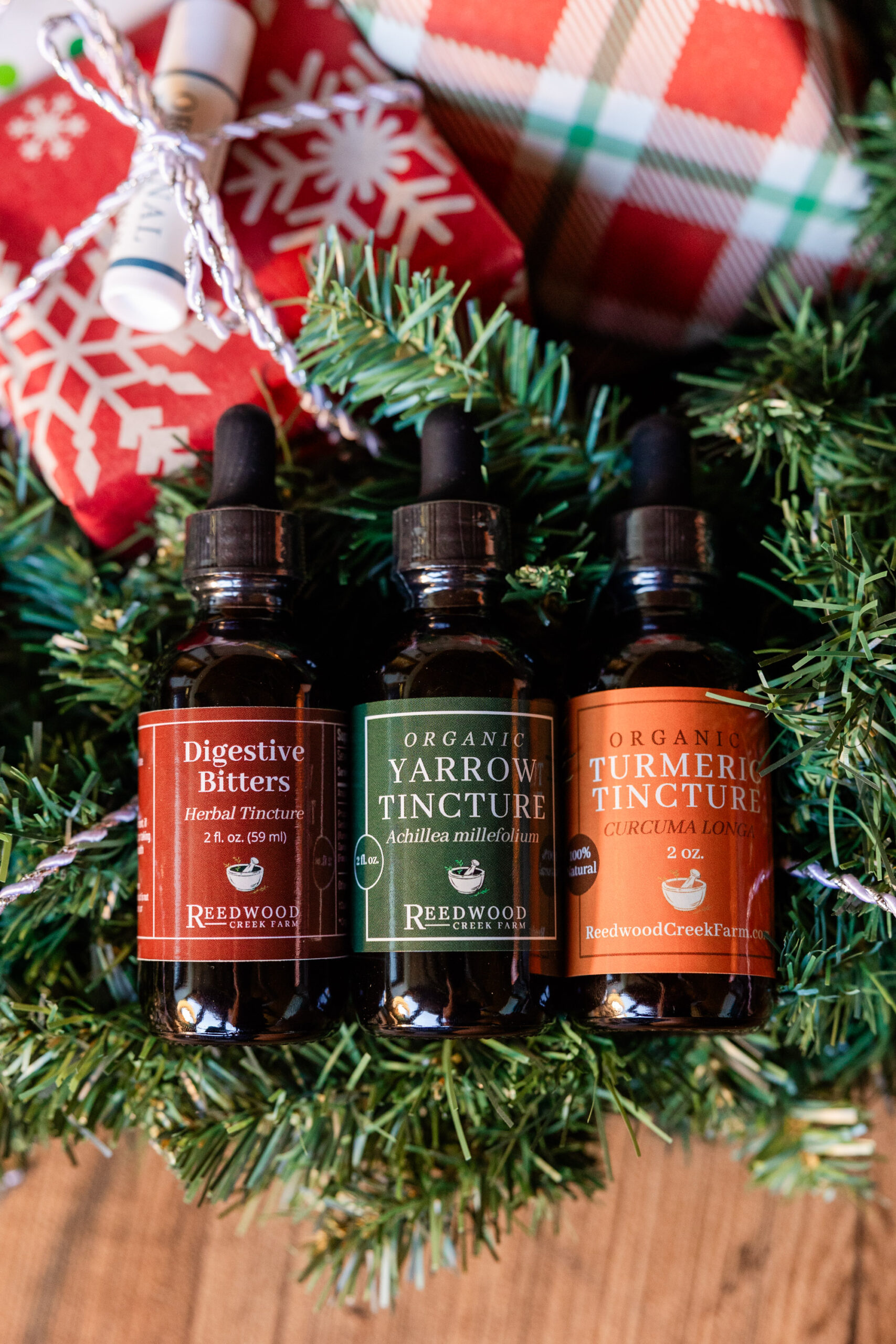
Have you ever heard of an herbal tincture? Perhaps you are familiar with the term but are unfamiliar with what tinctures are or how they are used.
In this post I will be addressing the uses and benefits of herbal tinctures and share an easy way to start making your own herbal tinctures.
What is an Herbal Tincture?
A tincture is an alcohol extraction of an herb. Alcohol is used to extract and preserve the medicinal properties in a given herb or herbs. This allows a tincture to be shelf stable and store for several years.
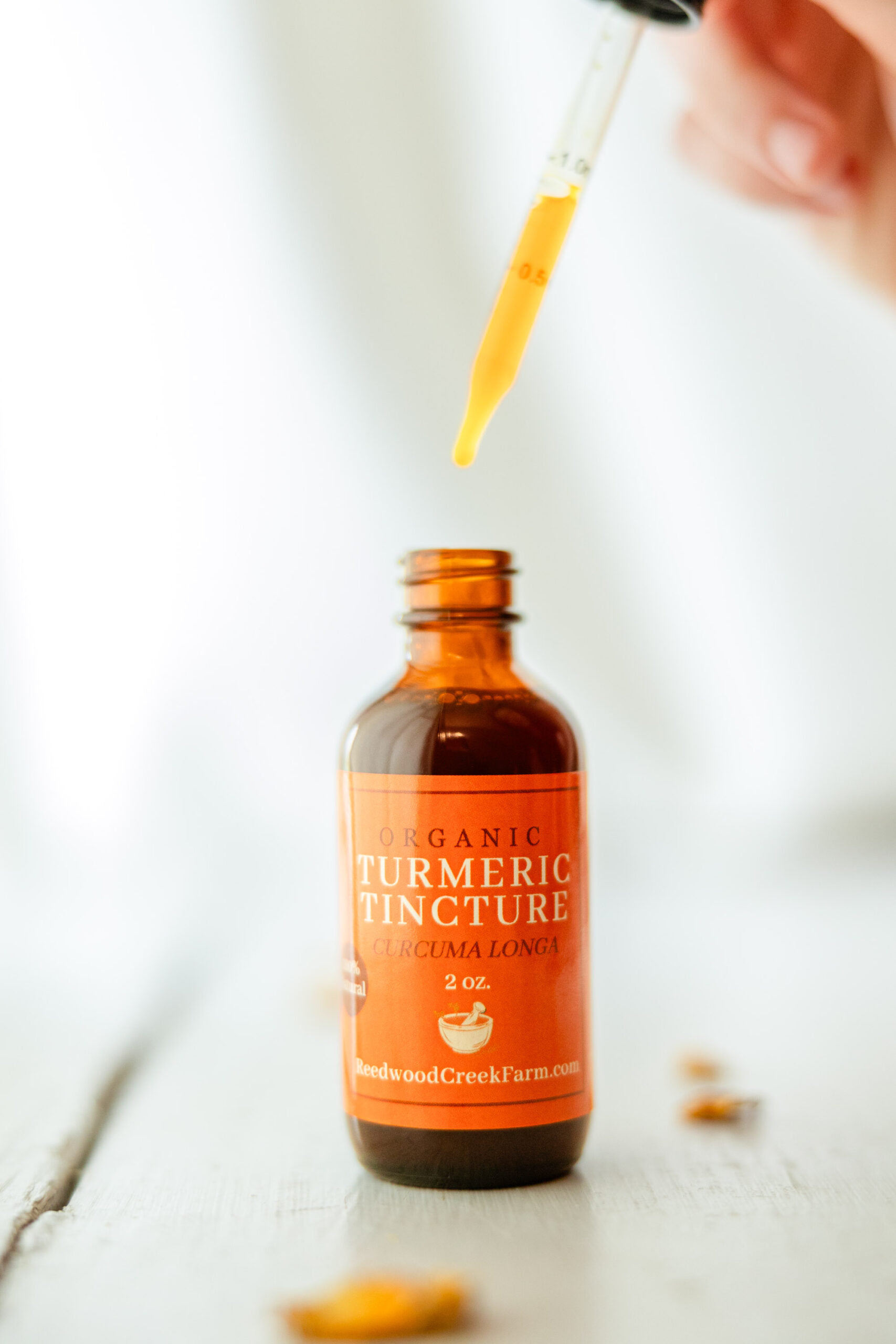
Herbal tinctures have many different benefits and are readily absorbed by the body. An herbal tincture is a concentrated herbal extract which makes it more potent than an herbal tea. Typically, smaller doses are recommended to be taken at a time.
The Benefits of an Herbal Tincture
The solvent used in an herbal tincture is alcohol, which effectively extracts and preserves the medicinal properties of an herb, making it shelf stable. This is one reason why a tincture would be superior to a syrup. Syrups are fantastic in some respects, but they require refrigeration and have a shorter shelf life. Alcohol tinctures will last for several years without needing to be canned, refrigerated, or preserved in any way. They are no fuss and don’t need much attention.
Another fantastic benefit of herbal tinctures is how easy they are to make. For budding herbalists or individuals who desire to provide their family with healthy alternatives to traditional pharmaceuticals, herbal tinctures are the perfect place to start.
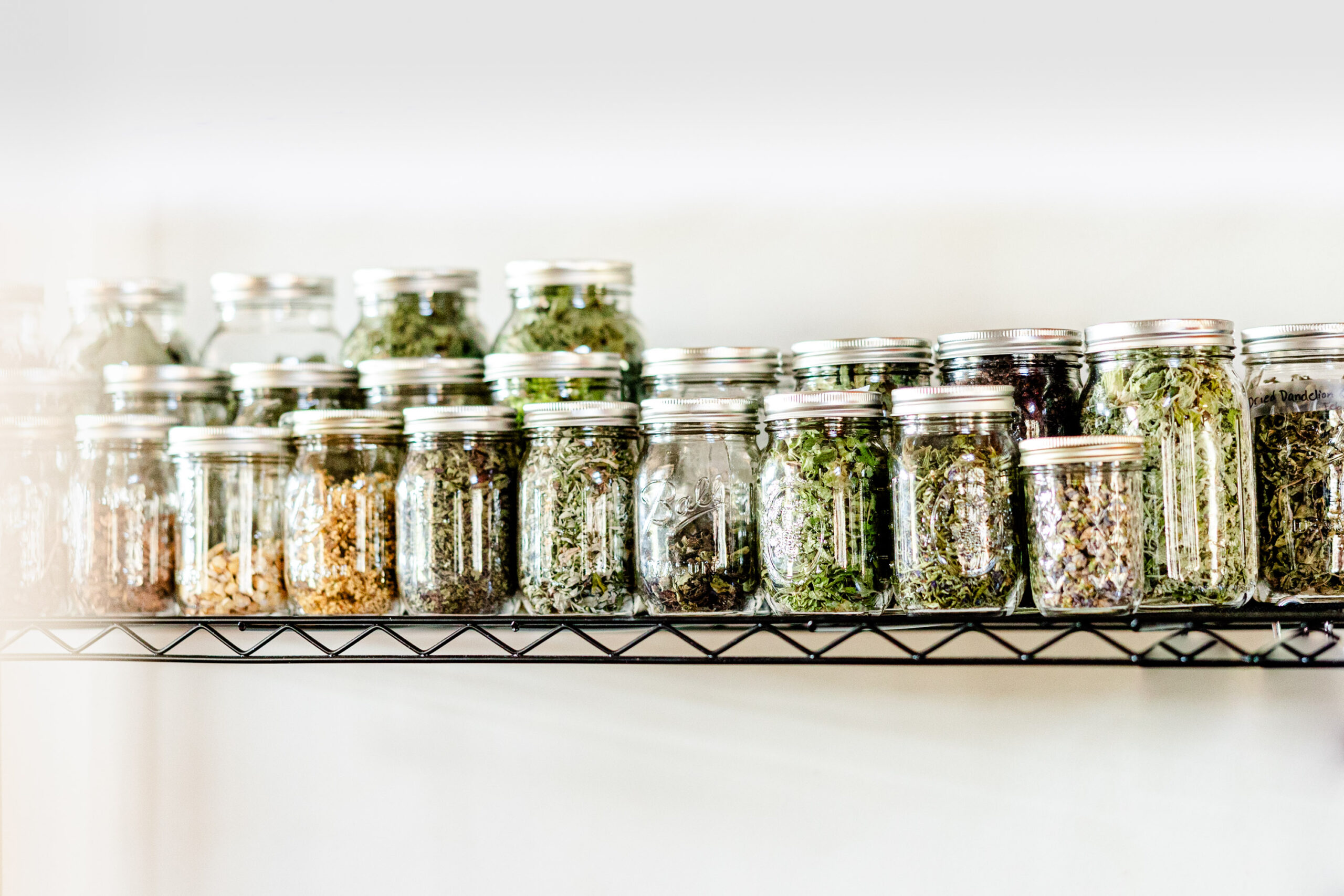
Tinctures can sometimes seem intimidating to prepare, but they really are easy to make. Some herbalists are very relaxed with how they make tinctures while others are more calculated, making the process look more tedious. For the most part, however, tinctures aren’t all that complicated.
Choosing Your Solvent
Herbal tinctures require plant matter and some form of alcohol. The most popular choices of alcohol include vodka, brandy, or gin. A minimum of 80 proof (or 40%) alcohol should be used when tincturing dried plant material. We use vodka for our herbal tinctures as it is inexpensive and easily obtainable.
Making sure a tincture has a high enough alcohol content will ensure the tincture is preserved properly and doesn’t become moldy. A minimum of 40% alcohol for dried plant material is sufficient. Most brands of vodka will contain a minimum of 40% alcohol content, and the label will confirm this if it reads “80 proof” vodka.
Fresh plant matter, on the other hand, requires a higher percentage of alcohol due to the extra water content in the herbs. When using fresh herbs, use a minimum of 150 proof alcohol.

What You’ll Need
- Dried plant material (leaf, flower, root, berries, etc)
- 40% or “80 proof” vodka or brandy
- Glass jar with lid
- Graduated cylinder or measuring cup with metric units
- Parchment or wax paper
- Kitchen scale
- Cheesecloth or fine mesh sieve
The metric system is often employed in herbalism to ensure accuracy and precision when concocting herbal tinctures and preparations. Plant material is measured by weight using a kitchen scale, while the solvent (alcohol) is measured by volume either using a graduated cylinder or a measuring cup complete with metric measurements. When making herbal tinctures, we like to stick to a 1:5 ratio, meaning one part herb to five parts vodka.
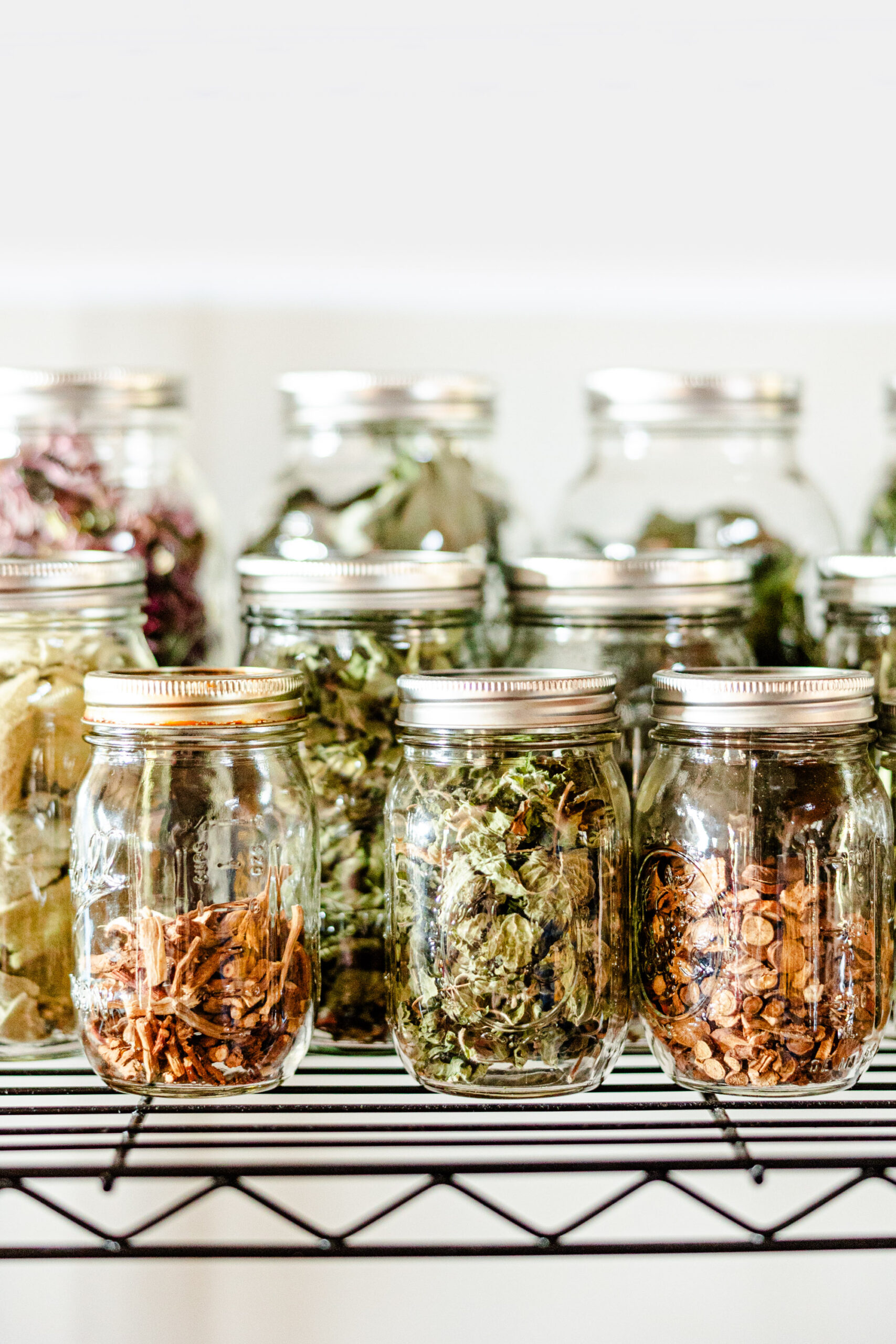
Measuring Ingredients for an Herbal Tincture
When making a tincture, first measure the dried plant material in grams, using a kitchen scale. Add to a clear or amber colored glass jar. Multiply the grams of plant material by five to determine the vodka required. For instance, if we are making an astragalus root tincture, we would measure 100 grams of dried astragalus root and multiply that number by five to determine the amount of solvent required.
Measure the vodka in milliliters using a graduated cylinder or measuring cup with metric measurements. In the case of our astragalus tincture, since we used 100 grams of herb, we would measure 500 millileters of vodka. This uses the 1:5 ratio of one part herb to five parts vodka. Pour the 80-proof vodka over the dried plant material until all of the herbs are submerged. Cover the jar with parchment or wax paper and screw the lid on tightly.
Gently shake the tincture, making sure all of the herbs are covered and properly submerged in the vodka. If any herbs rise above the top of the vodka, they may start to mold. In this case, add a little more vodka until the herbs are completely covered. Make sure to keep track of how much extra alcohol you added. As long as the herbs are beneath the liquid level, they are ready to tincture!
Set the jar in a cool, dark place. The herbs will be disturbed by sunlight so be sure to keep the tincture in a dark place during the tincturing process. Gently shake the tincture every few days. Let the herbs tincture for 4-6 weeks before straining.

The Differences Between Herbs in a Tincture
Some herbs, like dried peppermint or stinging nettle are very light, and it will take a higher volume of herb to reach our desired measurement in weight. Other herbs like white oak bark or astragalus root are heavier and will not take up as much space even after reaching the desired weight in grams. Various herbs will absorb the solvent differently. For instance, roots and rhizomes will not absorb the alcohol as quickly as leaves or flowers. If an herb is lighter in weight, it might require more vodka in order to keep the herbs submerged in liquid.
How Should I Take a Tincture?
If you have ever taken a tincture before, then you will know not all tinctures come with a pleasant taste. Not all herbs have a delicious flavor, for that matter. One of my favorite ways to take a tincture is in a very small amount of juice. Tinctures are typically taken in small doses, so I like to pour myself a shot of juice or carbonated water, add my tincture of choice, and drink it down. Often if I put my tincture in juice, the small amount of alcohol in the tincture gives it just enough fizz to taste like a carbonated drink. Another favorite way to enjoy a tincture is in a delicious latte. See our Golden Milk Latte and Ashwagandha Latte recipes.
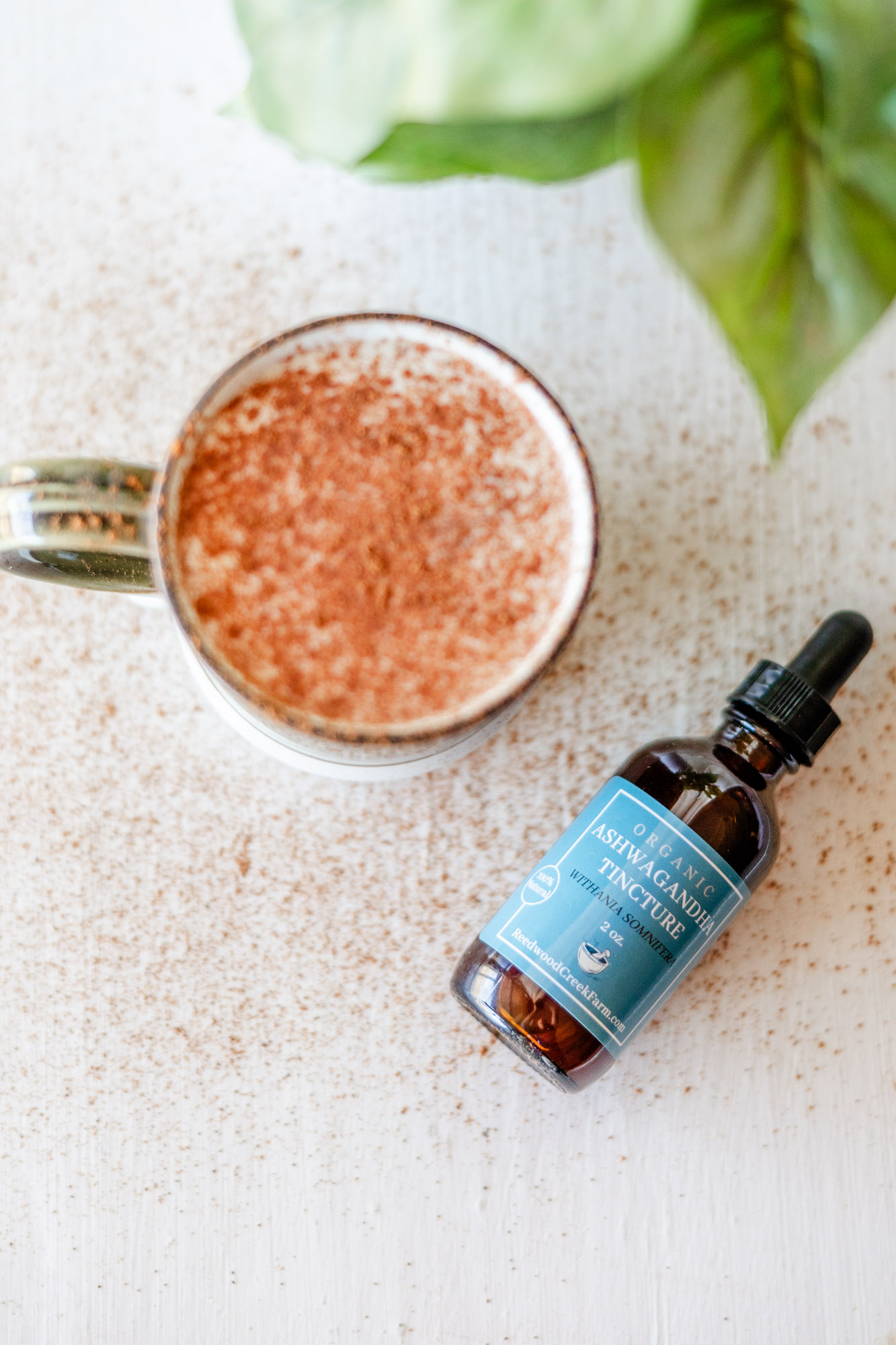
If you are brave, you can take a tincture straight. There is absolutely nothing wrong with that, and it will be assimilated just as well. Another way to take a tincture, especially in very small amounts, is sublingually or under the tongue. This will cause a tingling sensation but is better absorbed by the body.
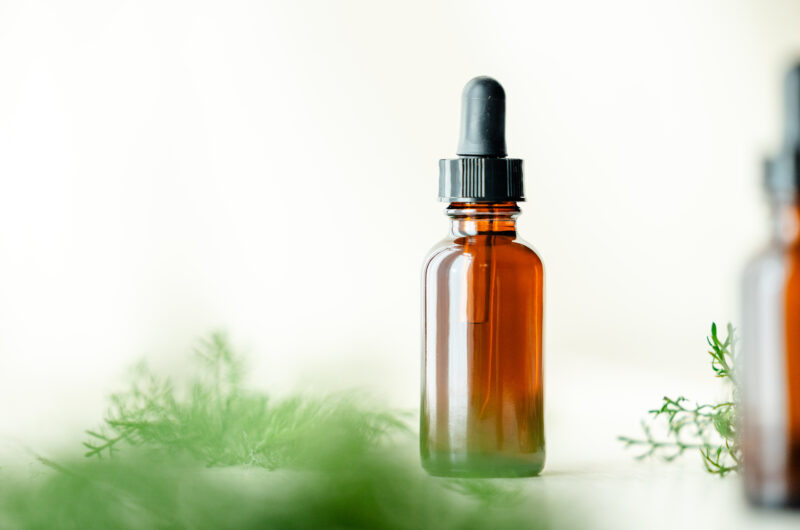
How To Make an Herbal Tincture
Course: RecipesDifficulty: Easy10
minutesIngredients + Supplies
100 grams Dried Astragalus Root
500 milliliters 40% alcohol/80 proof vodka
Glass jar with lid
Graduated cylinder or measuring cup with metric units
Parchment or wax paper
Kitchen scale
Cheesecloth or Fine Mesh Sieve
Directions
- Using a kitchen scale, set the measuring system to grams. Measure 100 grams of dried Astragalus root and add to a clean, dry glass jar.
- In a graduated cylinder or measuring cup with metric units, measure 500 ml of 80 proof vodka.
- Pour vodka over the dried plant material until fully submerged.
- Cut a small piece of parchment or wax paper to fit over the mouth of the jar. Cap with a lid, and gently shake until the herbs are evenly submerged in the solvent.
- Set in a cool, dark place for 4-6 weeks, gently shaking the tincture every few days.
- After 4-6 weeks, carefully strain out the herb material from the solvent.
- Store in dark amber bottles.
- Write the date and name of the tincture on the bottle, and store in a cool, dark place.
- Tinctures last for several years.
Recipe Video
Contraindications of Herbs
Learning to make an herbal tincture is a lot of fun and very rewarding! Below are three herbs that are perfect for beginners.
- Elderberry (Sambucus Nigra)
- Echinacea Root (Echinacea Purpurea)
- Stinging Nettle Leaf (Urtica dioica)
The possibilities are endless. Just make sure to do a little research on the herb you are going to tincture beforehand, so you know its uses, benefits, and potential side effects. A lot of herbs are considered safe, but some herbs should be used with caution, especially during pregnancy or when taken with pharmaceuticals.
Is There One Right Way?
There are a host of ways to get the wonderful, medicinal benefits of plants into our bodies. Tinctures are a very simple, readily absorbed and shelf stable way to take herbs, but other herbal preparations include herbal infusions (teas), decoctions, capsules, syrups, tonics and even lattes. Regardless of how you consume them, herbs are a wonderful aid to your body and health!
Joyfully,
Lauren
Links
Angled Measuring Cup
Mesh Strainer
Amber Bottles
Kitchen Scale
As an Amazon associate I earn from qualifying purchases.
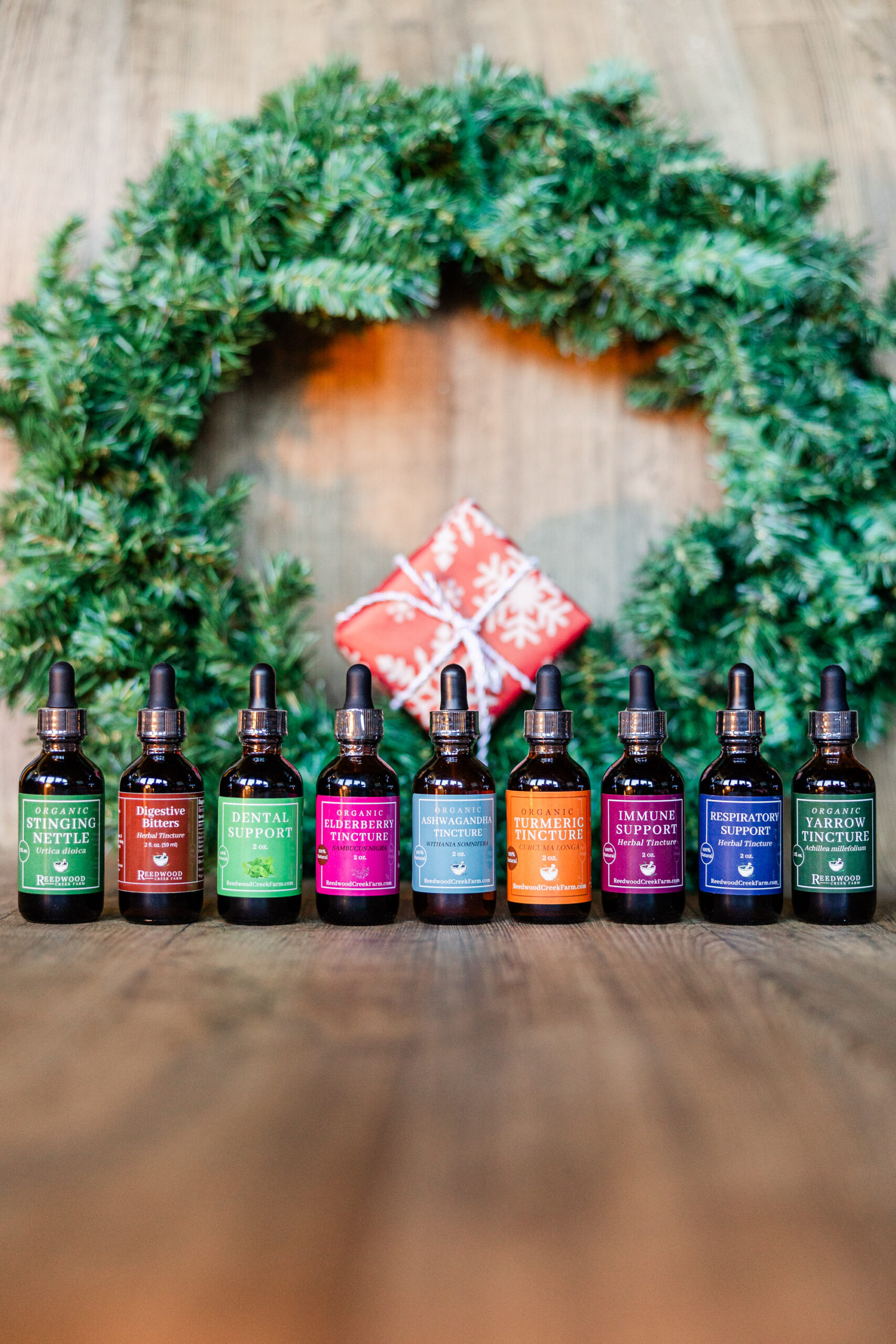
Popular Tinctures