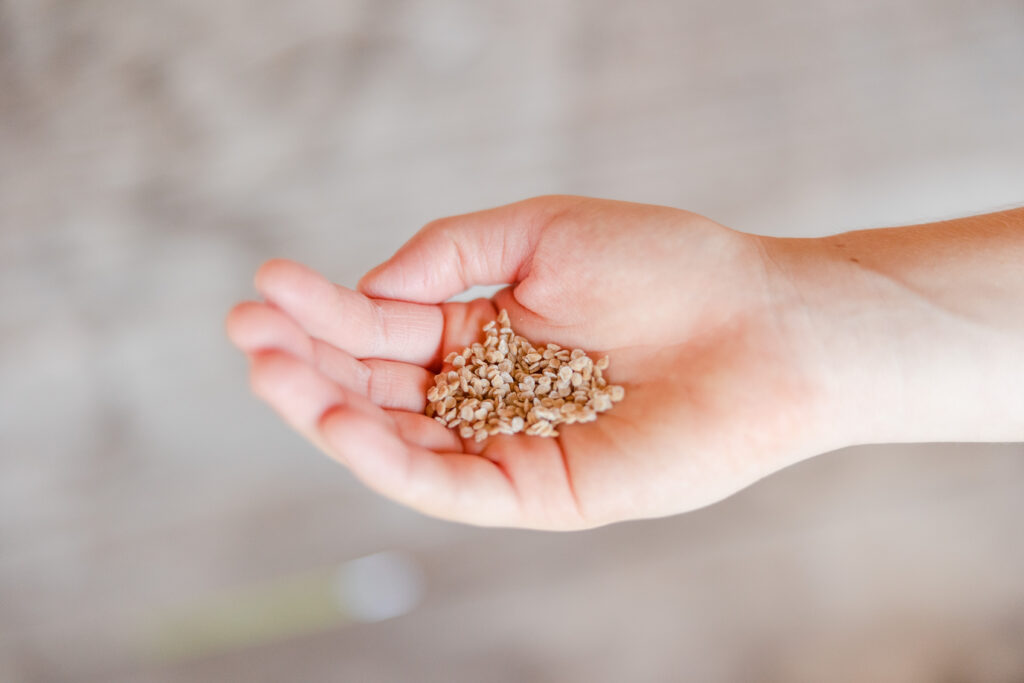
Have you ever wondered how to save tomato seeds? “I don’t even know where the seeds grow on the plant! I wonder how they collect and sell seeds so I can plant them.” That was a thought of mine in the past. Slowly but surely, though, as my years of gardening began to add up, I learned where the seeds of a given fruit, vegetable, plant or flower were produced. Some are quite obvious like a peach or cherry pit. For things like green beans and tomatoes, the seeds are part of the vegetable. Other plants like lettuce produce their seeds via flowers once their growing season has come to a close.
Why Should I Save Seeds?
Saving seeds has been an interest of mine for the past few years. While it takes a little extra effort than just buying a neat little packet of seeds, the satisfaction of knowing that I have the skill set and ability to grow my own plants from start to finish is reward enough. What if I can’t buy seeds or plants for some reason in the future? How will I grow healthy food in my garden?
When it is within my grasp to be self-sufficient in a certain aspect of life, I want to dedicate myself to learn how to do it whether I need to use that given skill now or in the future. Learning to save seeds has been one of those opportunities for me, and it has been a satisfying accomplishment to collect, dry and store the seeds. It is so fun to plant and grow them the next year! Last year, I tested out some of the seeds that I had dried and saved and was delighted to have a high success rate with my tomato seeds!
God’s Amazing Design
In this post, I want to teach you how to collect and save tomato seeds so that you can sustain yourself and your garden next year. I praise the Lord for the amazing design He put into such tiny seeds and how just one tomato seed can yield pounds upon pounds of tomatoes from the plant that it grows!
Hybrids Vs. Heirloom and Open Pollenated Varieties
It took me awhile to realize that there is a big difference between hybrid plants and heirloom or open pollenated varieties. It is very important to know this information about your tomatoes before saving the seeds. Hybrids are a combination of varieties that are bred to be disease resistant, handle harsh growing conditions, etc. They often grow better than heirlooms or open pollenated plants because they have been specially created. The downside, however, is that they cannot reproduce themselves. If you save hybrid seeds, you will have a finicky result and will not get the same type of plant as the original. Instead, you may get one of the parent plants from which the hybrid plant was created.
Heirlooms, on the other hand, are tried and true varieties that have been planted and proven for many years. Their seeds are great to save for next year’s planting. Open pollenated seeds, though they don’t have as much history as heirloom varieties, are good seed saving candidates as well.
How to Save Tomato Seeds
Choose a fresh tomato and note its variety.
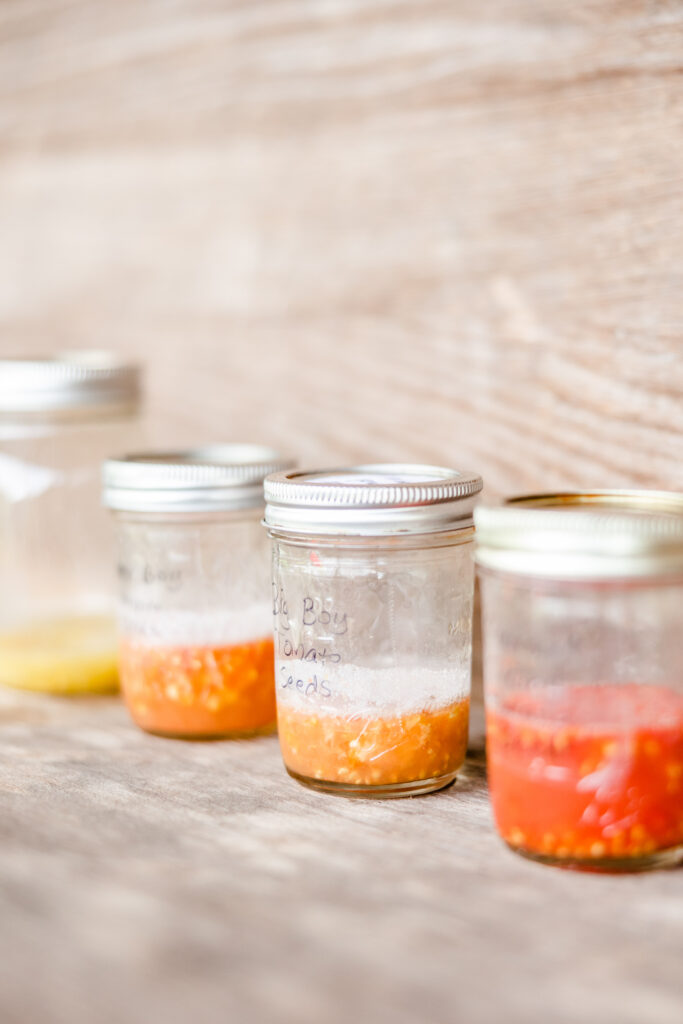
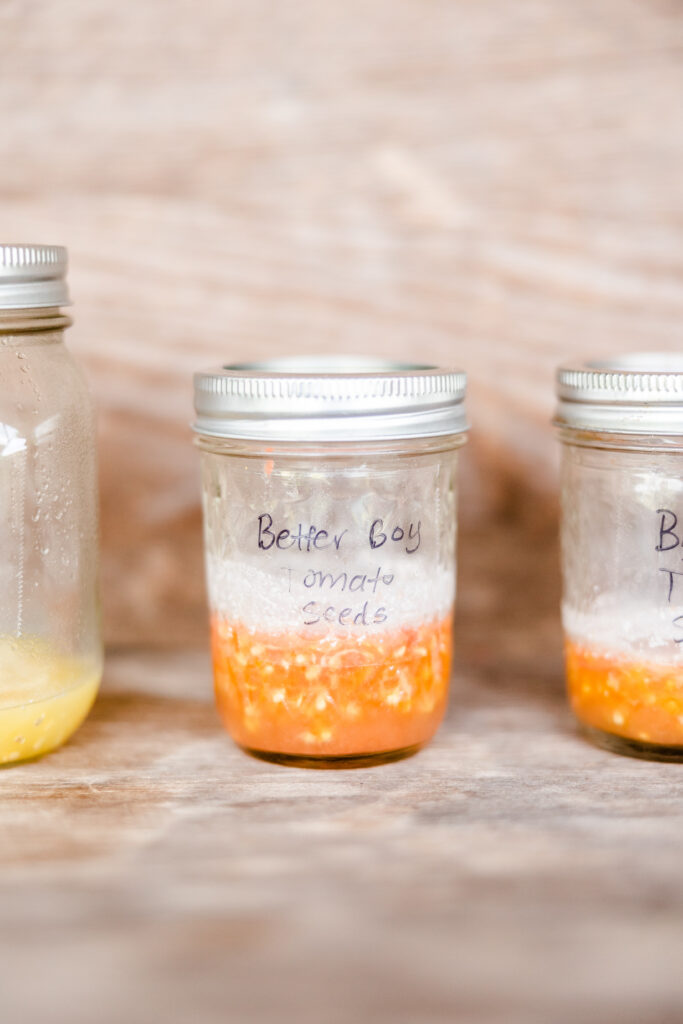
Cut the tomato into slices and scoop out all of the seeds into a clear glass jar. Seeds will be slippery, and juice and bits of tomato flesh may fall in the jar as well.
Cap the jar and label it with the tomato’s variety in order to remember what kind of seeds you are saving.
Place the jar in a sunny window for a few days which will allow the tomato seeds and juice to ferment. The fermentation process helps to remove the slippery coating from the seeds, which is necessary before drying them.
Each day, “burp” the jar by quickly opening and closing the lid to release the buildup of pressure from the fermentation process. Hold your nose! It’s quite smelly but doing its job. Keeping an eye on the seeds through the jar, you can determine when the seeds seem to have separated from the slippery material. If necessary, take a couple of seeds out of the jar and examine them to confirm this.
When the slippery film has come off of the seeds, drain the jar into a fine strainer and rinse thoroughly. Then pick out any remaining tomato flesh from among the seeds.
Drying and Packaging Your Tomato Seeds
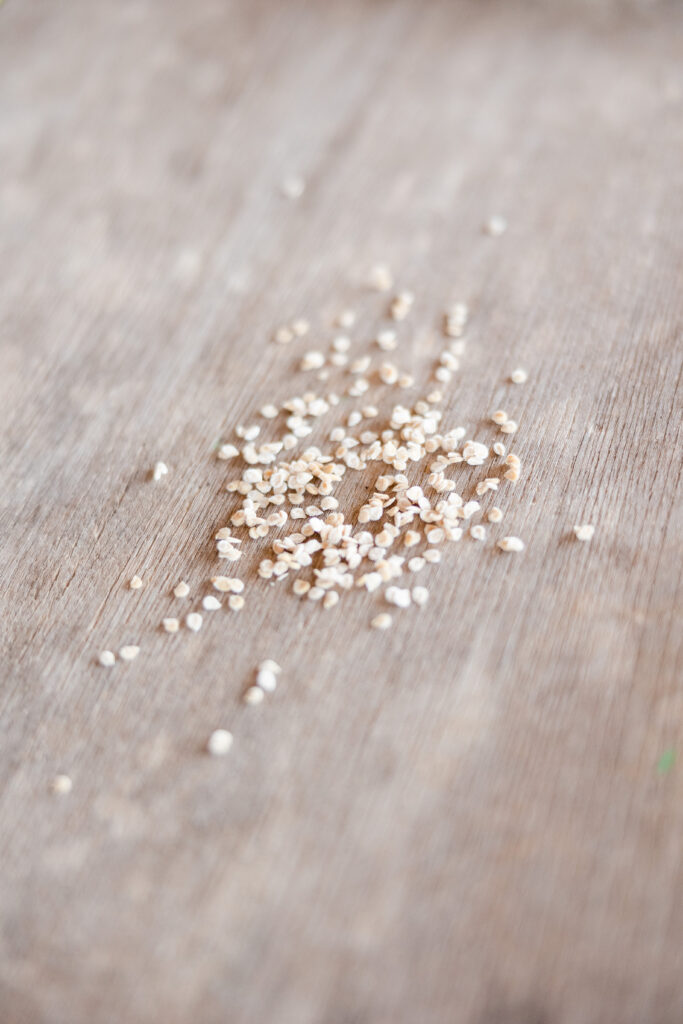
When the seeds are clean, spread them out on a flat surface or plate, and place in a warm, dry spot away from direct sunlight. Seeds may clump together at first when they are wet so make sure to separate them when they dry off.
Check on the seeds daily and move them around so they can dry on both sides.
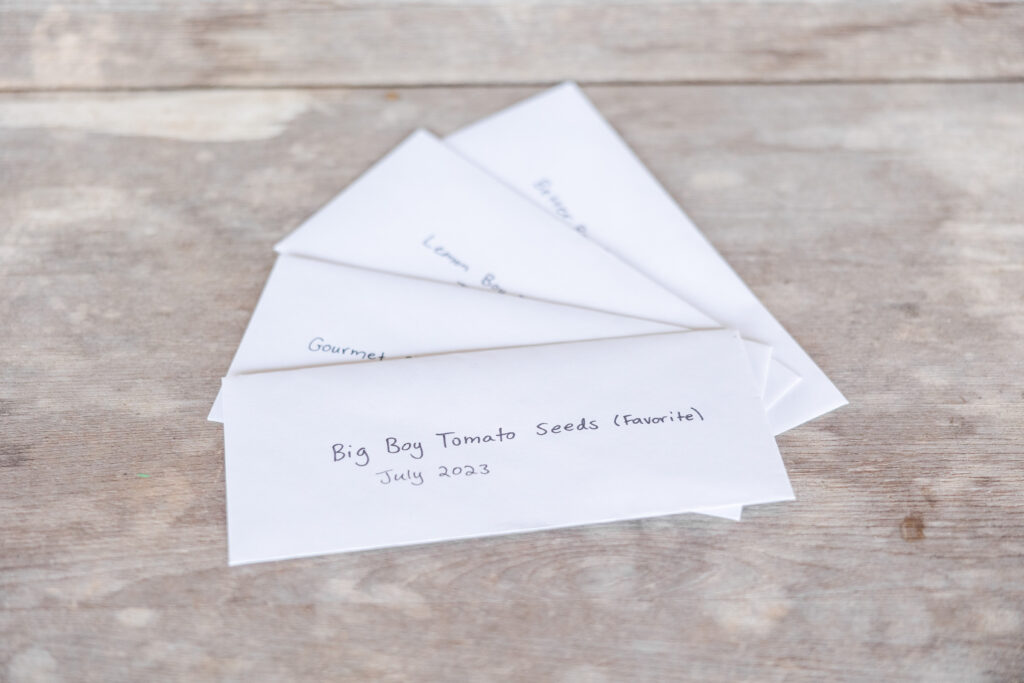
When seeds are hard and dry, typically after a couple of weeks, place them in an envelope or glass jar for storage. Plastic is not a good environment for storing seeds and can promote molding.
Label your seed container with the tomato variety and the packaging date.
Store in a cool, dark place until next growing season!
Happy seed saving!
~Hannah